

Introduction
A roof is one of the most critical structural components of any building. It protects interiors from weather exposure, supports insulation performance, and contributes to long-term property value. While some homeowners consider cutting costs with inexperienced labor or do-it-yourself approaches, professional roofing installation offers measurable advantages in durability, safety, and performance.
Choosing skilled roofing professionals is not simply about convenience. It is about protecting your investment and ensuring the structure performs reliably for decades.
Ensures Long-Term Structural Protection
Professional roofers follow installation procedures designed to strengthen the entire roofing system rather than just the surface layer. Proper installation includes deck preparation, moisture barriers, ventilation alignment, and secure fastening techniques.
When these elements are installed correctly:
- Water infiltration risks are minimized
- Structural stress is distributed evenly
- Roof lifespan increases significantly
- Seasonal expansion and contraction are managed effectively
Improper installation can lead to hidden vulnerabilities that only become visible after costly damage develops.
Improves Weather Resistance
A professionally installed roof performs better against extreme environmental conditions such as heavy rainfall, strong winds, and heat exposure.
Experienced installers ensure:
- Underlayment layers are positioned correctly
- Flashing is sealed around chimneys and joints
- Drainage slopes are optimized
- Wind-resistant fastening methods are applied
These details significantly reduce the risk of leaks and premature deterioration.
Enhances Energy Efficiency
Roof installation affects indoor temperature regulation more than many property owners realize. Professional installers evaluate ventilation pathways and insulation compatibility during installation.
Proper installation supports:
- Stable indoor temperatures throughout the year
- Reduced dependency on heating and cooling systems
- Lower energy consumption over time
- Improved attic airflow balance
A poorly installed roof often traps heat or moisture, which increases energy costs and shortens material lifespan.
Supports Manufacturer Warranty Protection
Most roofing material warranties remain valid only when installation is completed according to manufacturer-approved standards.
Professional roofing contractors:
- Follow technical installation guidelines precisely
- Use compatible fastening materials
- Document installation compliance
- Maintain correct ventilation requirements
Improper installation can void warranty coverage, leaving property owners responsible for repair expenses that would otherwise be covered.
Improves Property Value and Market Appeal
A professionally installed roof improves both functional performance and visual appeal. Buyers often evaluate roofing condition early during property inspections.
Benefits include:
- Higher resale confidence among buyers
- Reduced negotiation pressure during sales
- Stronger exterior appearance
- Increased appraisal potential
A high-quality roof signals proper property maintenance overall.
Ensures Safety During Installation
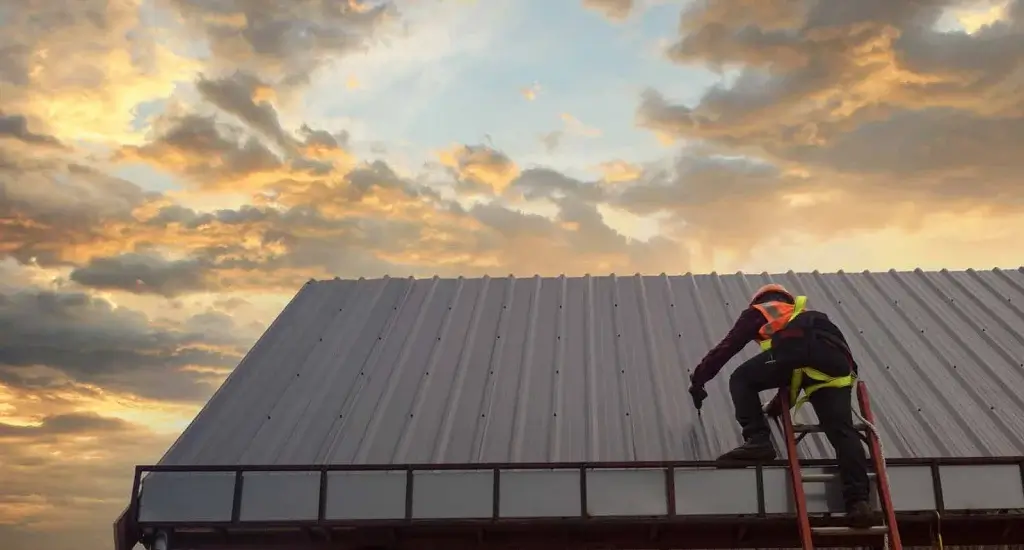
Roof installation involves height risks, structural handling, and specialized tools. Professional roofing teams follow established safety procedures that protect both workers and occupants.
Their approach includes:
- Use of fall protection systems
- Controlled material handling methods
- Secure ladder placement
- Compliance with safety regulations
This reduces accident risks and prevents unintended structural damage during installation.
Prevents Hidden Moisture Problems
Moisture infiltration is one of the most expensive roofing-related issues to repair. Professional installers ensure protective layers are correctly placed beneath shingles or tiles.
Correct installation prevents:
- Mold development inside roof cavities
- Rotting wooden structures
- Ceiling staining and interior damage
- Insulation performance loss
Preventing moisture entry is far more cost-effective than repairing it later.
Guarantees Proper Ventilation Balance
Roof ventilation directly affects attic conditions and roofing lifespan. Professional installers evaluate airflow intake and exhaust balance before completing installation.
Balanced ventilation supports:
- Reduced condensation formation
- Extended shingle durability
- Stable attic temperatures
- Prevention of structural warping
This step is frequently overlooked in non-professional installations.
Saves Money Over the Long Term
Although professional roofing installation requires upfront investment, it reduces long-term maintenance expenses significantly.
Cost-saving advantages include:
- Fewer emergency repairs
- Lower energy bills
- Longer material lifespan
- Warranty-backed protection coverage
Choosing professional installation is often more economical across the full service life of the roof.
Ensures Compliance with Local Building Standards
Professional roofing contractors understand construction requirements and regional installation expectations. Compliance helps avoid future legal or structural complications.
Proper compliance ensures:
- Inspection readiness
- Insurance eligibility support
- Structural reliability
- Safer long-term occupancy conditions
Installation mistakes can create complications that affect resale approvals or insurance claims later.
Frequently Asked Questions
How long does a professionally installed roof typically last
Most professionally installed asphalt shingle roofs last between 20 and 30 years, while metal and tile roofing systems can last considerably longer depending on maintenance and climate conditions.
Can poor installation cause roof leaks even with new materials
Yes. Even high-quality roofing materials can fail quickly if flashing, underlayment, or sealing layers are installed incorrectly.
Is professional installation necessary for small roofing repairs
Minor repairs may appear simple, but incorrect sealing or fastening can lead to larger structural issues later. Professional inspection is often recommended before attempting repairs.
Does professional installation reduce maintenance needs
Yes. Proper alignment, fastening, and ventilation significantly reduce the frequency of repairs and inspections required over time.
How do professionals ensure correct roof ventilation
Installers evaluate attic airflow pathways, ridge vent placement, soffit intake balance, and insulation compatibility before completing installation.
Can improper installation affect home insurance coverage
In some cases, insurance providers may deny claims if roofing damage results from improper installation practices rather than weather events.
When is the best time of year to install a new roof
Moderate weather seasons with minimal rainfall and stable temperatures are ideal, though professional contractors can install roofs safely throughout most of the year depending on conditions.
Comments are closed.