
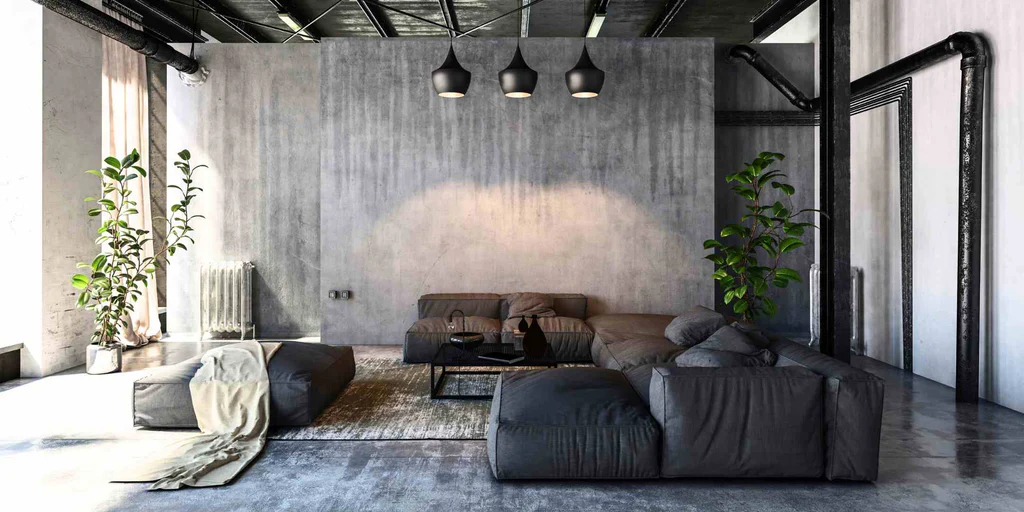

Industrial style interiors celebrate honesty in materials, structural expression, and functional simplicity. Inspired by converted warehouses and factories, this design approach embraces unfinished surfaces, exposed systems, and durable textures. When executed thoughtfully, raw material elements create interiors that feel grounded, contemporary, and visually compelling rather than cold or incomplete.
This guide explains how to use industrial materials effectively so spaces feel balanced, practical, and refined.
Understanding the Core Principles of Industrial Interiors
Industrial interiors rely on authenticity rather than decoration. Instead of hiding structural components, the design highlights them as visual features.
Key principles include:
- Exposed structure over concealment
- Natural aging and patina
- Neutral and earthy color palettes
- Functional furniture with minimal ornamentation
- Layered textures instead of excessive decoration
The goal is not to recreate a factory but to reinterpret its character for comfortable modern living.
Exposed Brick Walls as a Visual Anchor
Exposed brick is one of the most recognizable features of industrial interiors. It adds warmth and texture while preserving the raw authenticity that defines the style.
Ways to use exposed brick effectively:
- Highlight one feature wall instead of covering every surface
- Combine brick with neutral plaster or concrete finishes
- Use warm lighting to soften the rugged texture
- Seal brick surfaces to prevent dust shedding
Brick works especially well behind sofas, dining areas, staircases, or beds as a grounding backdrop.
Concrete Surfaces for a Contemporary Industrial Base
Concrete introduces strength, neutrality, and versatility into industrial interiors. It works across floors, walls, ceilings, and countertops.
Best applications include:
- Polished concrete flooring for durability
- Concrete wall panels for accent surfaces
- Concrete kitchen counters for a minimalist look
- Concrete ceilings in open-plan layouts
To prevent spaces from feeling cold, combine concrete with wood textures and soft furnishings.
Exposed Metal Elements That Add Character
Metal is central to industrial aesthetics because it reflects the structural language of factories and warehouses.
Effective metal applications include:
- Black steel window frames
- Iron stair railings
- Structural ceiling beams
- Metal-framed glass partitions
- Industrial shelving systems
Matte finishes generally work better than polished surfaces because they maintain authenticity and reduce glare.
Natural Wood to Balance Raw Industrial Textures
Industrial interiors benefit greatly from warmth. Wood prevents spaces from becoming overly mechanical or sterile.
Recommended wood applications:
- Reclaimed wood dining tables
- Open wooden shelving
- Engineered wood flooring paired with concrete walls
- Wooden ceiling beams in loft-style interiors
Combining wood with metal and concrete creates a layered material palette that feels both modern and inviting.
Exposed Pipes and Ductwork as Design Features
Instead of concealing services, industrial interiors celebrate them as architectural elements.
To make exposed systems look intentional:
- Paint pipes in matte black, grey, or metallic tones
- Align ducts neatly across ceilings
- Use symmetrical pipe layouts when possible
- Integrate pipes with lighting tracks
This approach transforms functional infrastructure into visual structure.
Industrial Lighting That Completes the Look
Lighting plays a defining role in shaping industrial interiors.
Popular choices include:
- Metal pendant lights
- Cage lights
- Track lighting systems
- Adjustable wall-mounted fixtures
- Vintage filament bulbs
Layered lighting works best. Combine ceiling fixtures with task lighting and accent lighting to soften raw surfaces.
Neutral Color Palettes That Support Raw Materials
Industrial interiors rely on restrained color palettes to highlight material textures.
Common base tones include:
- Grey
- Charcoal
- Beige
- Black
- Off-white
Accent colors can include muted rust, olive green, or deep navy. These tones reinforce the industrial mood without overwhelming the space.
Functional Furniture That Matches the Industrial Mood
Furniture in industrial interiors emphasizes structure and simplicity.
Ideal furniture characteristics:
- Clean lines
- Mixed materials like wood and steel
- Visible joinery
- Minimal upholstery detailing
Examples include metal-framed coffee tables, leather seating, and open storage systems.
Layering Textures for Comfort and Depth
Industrial spaces should never feel unfinished. Texture layering creates balance.
Effective texture combinations include:
- Concrete with linen upholstery
- Brick with wool rugs
- Metal with leather seating
- Wood with soft curtains
These combinations soften the environment while preserving authenticity.
Common Mistakes to Avoid in Industrial Interior Design
Even strong materials can feel overwhelming if not used carefully.
Avoid:
- Overusing concrete across every surface
- Excessive dark tones without contrast
- Ignoring acoustic comfort
- Using decorative elements that imitate rather than reflect real materials
- Installing overly polished finishes that contradict the industrial aesthetic
A balanced mix of materials creates the most successful result.
FAQ Section
What defines industrial interior style most clearly
Industrial interiors are defined by exposed structural elements, raw materials such as brick and concrete, neutral color palettes, and functional furniture with minimal ornamentation.
Can industrial interiors work in small apartments
Yes. Using lighter color palettes, selective exposed materials, and compact metal-framed furniture allows industrial style to adapt well to smaller spaces.
Is exposed brick necessary for industrial interiors
No. Concrete panels, metal features, exposed pipes, and reclaimed wood can achieve the same aesthetic without brick.
How can industrial interiors feel warmer and more comfortable
Adding wood finishes, rugs, soft fabrics, layered lighting, and indoor plants helps balance the rugged character of industrial materials.
Are industrial interiors expensive to create
Costs vary depending on material choices. Reclaimed wood and polished concrete can be economical compared to decorative finishes, especially when used strategically.
Which flooring works best for industrial interiors
Polished concrete, engineered wood, and large-format neutral tiles are commonly used because they complement raw material palettes effectively.
Can industrial interiors be combined with other design styles
Yes. Industrial interiors combine well with Scandinavian, modern minimalist, and rustic styles when materials are balanced thoughtfully.
Comments are closed.